
< journal.entry />
WhatsApp Username, What Is It and What Should We Do?
WhatsApp usernames let you start chats without sharing your phone number. Here is what the feature means, the privacy benefits, the scam risks, and what to do now.
 Adi Sulaksono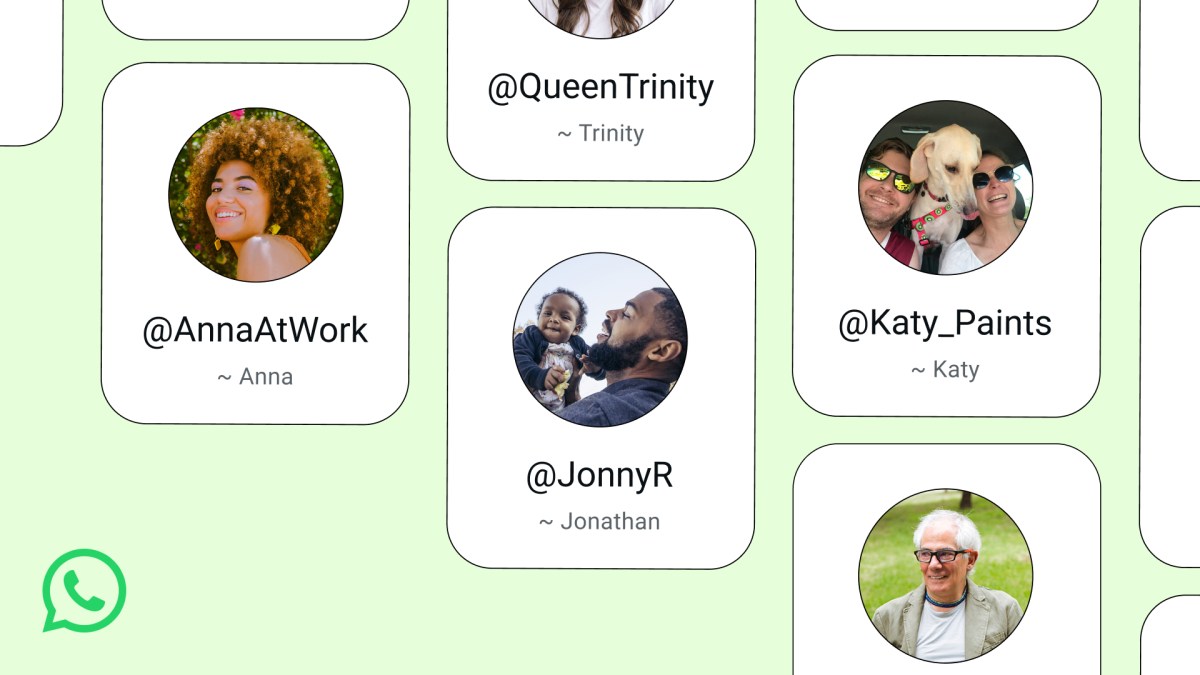
WhatsApp usernames are trending because WhatsApp officially began letting users reserve usernames before a broader launch later in 2026. The feature is meant to let people start chats without immediately sharing their phone number, which is a major shift because WhatsApp has traditionally been phone-number-first.
How WhatsApp Usernames Work
A WhatsApp username will work like a unique handle, shown with an @ symbol. WhatsApp says there will be no public username directory and no suggestions, so someone must know your exact username to contact you. WhatsApp is also adding an optional username key, which adds another layer of control before someone can message you.
People can reserve a username from the latest mobile app through Settings > Account > Username, though availability is rolling out gradually by country. WhatsApp's Help Center also says username reservation is not currently available on WhatsApp Web or Desktop, so users should use their primary phone.
The Privacy Upside
The positive side is privacy: users, creators, businesses, and community members can connect without exposing a personal phone number to every new contact. This is especially useful for group chats, events, online selling, networking, and customer communication.
The Controversy
The controversy is about impersonation and scams. Reuters reported that India asked WhatsApp to pause the rollout in the country pending consultations, citing risks such as fraud, phishing, digital arrest scams, and usernames that imitate people, banks, or government agencies. Meta said the feature is not fully live yet and that some usernames for public figures, government entities, and verified Meta accounts have been reserved to reduce impersonation.
What People Should Do Now
What people should do now: reserve a clean username early, but avoid using sensitive personal details like your full birth date, ID-like numbers, or anything easy to impersonate. Turn on the username key when available, be suspicious of accounts claiming to be banks, officials, brands, or public figures, and verify important contacts through another trusted channel before sending money, OTPs, documents, or private information.

Pros and Cons
| Pros | Cons / Risks |
|---|---|
| Keeps your phone number private when starting new chats. | Scammers may impersonate brands, officials, or people with similar-looking usernames. |
| Easier for creators, sellers, communities, and businesses to share a memorable handle. | Popular names may be claimed quickly, causing username competition. |
| No searchable public directory, which reduces random discovery. | If you share your username publicly, unwanted messages may still increase. |
| Optional username key gives extra contact control. | Users may trust a familiar-looking username too quickly. |
| Can make WhatsApp feel more flexible, like other handle-based messaging apps. | Businesses and CRMs that rely on phone numbers may need workflow changes. |